Comprehensive Guide to Flooring Options

Choosing the right flooring is one of the most impactful design decisions you can make when building or renovating a home. Flooring affects the look and feel of your interiors, performance under daily wear, how easy it is to maintain, and even resale value. There are many types of flooring, each with strengths and trade‑offs related to durability, cost, water resistance, comfort, and aesthetic appeal.

Whether you're renovating a single room or completing a full home remodel, choosing the right flooring is essential for ensuring your space is beautiful, durable, and well‑suited to its purpose. Backyard Retreats explores the most common options in depth, helping you compare features, understand price ranges, and decide what works best for different spaces and needs.

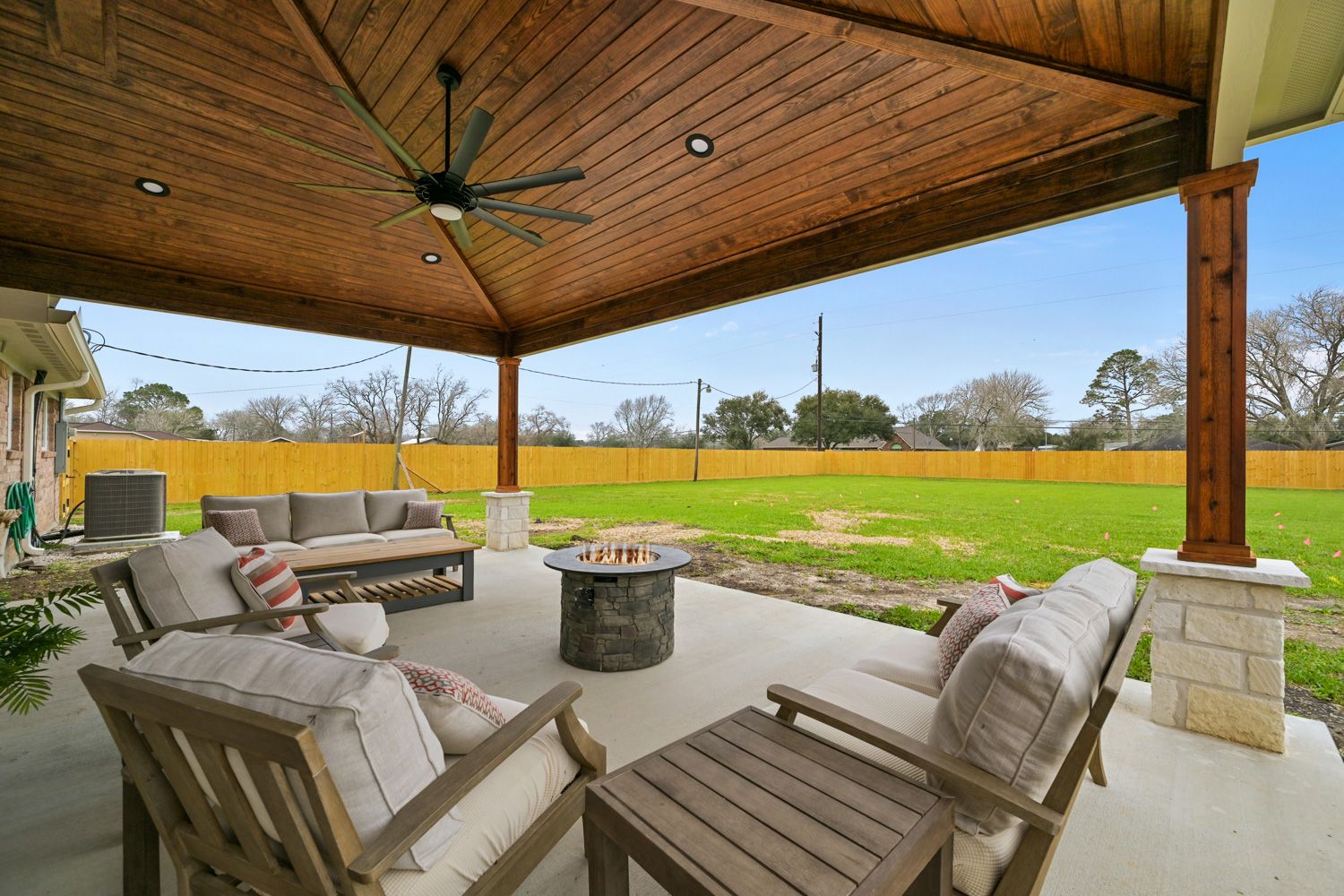
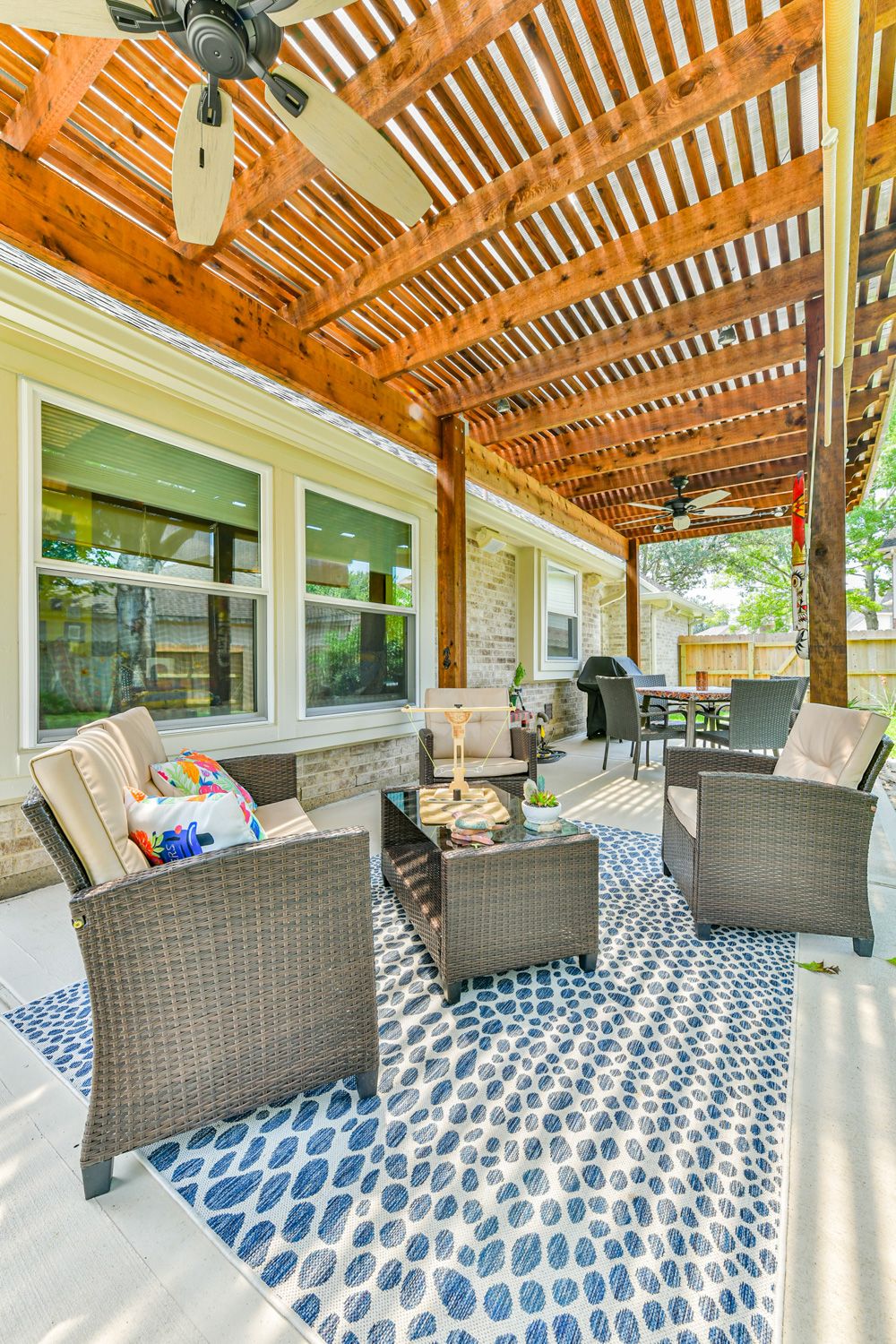
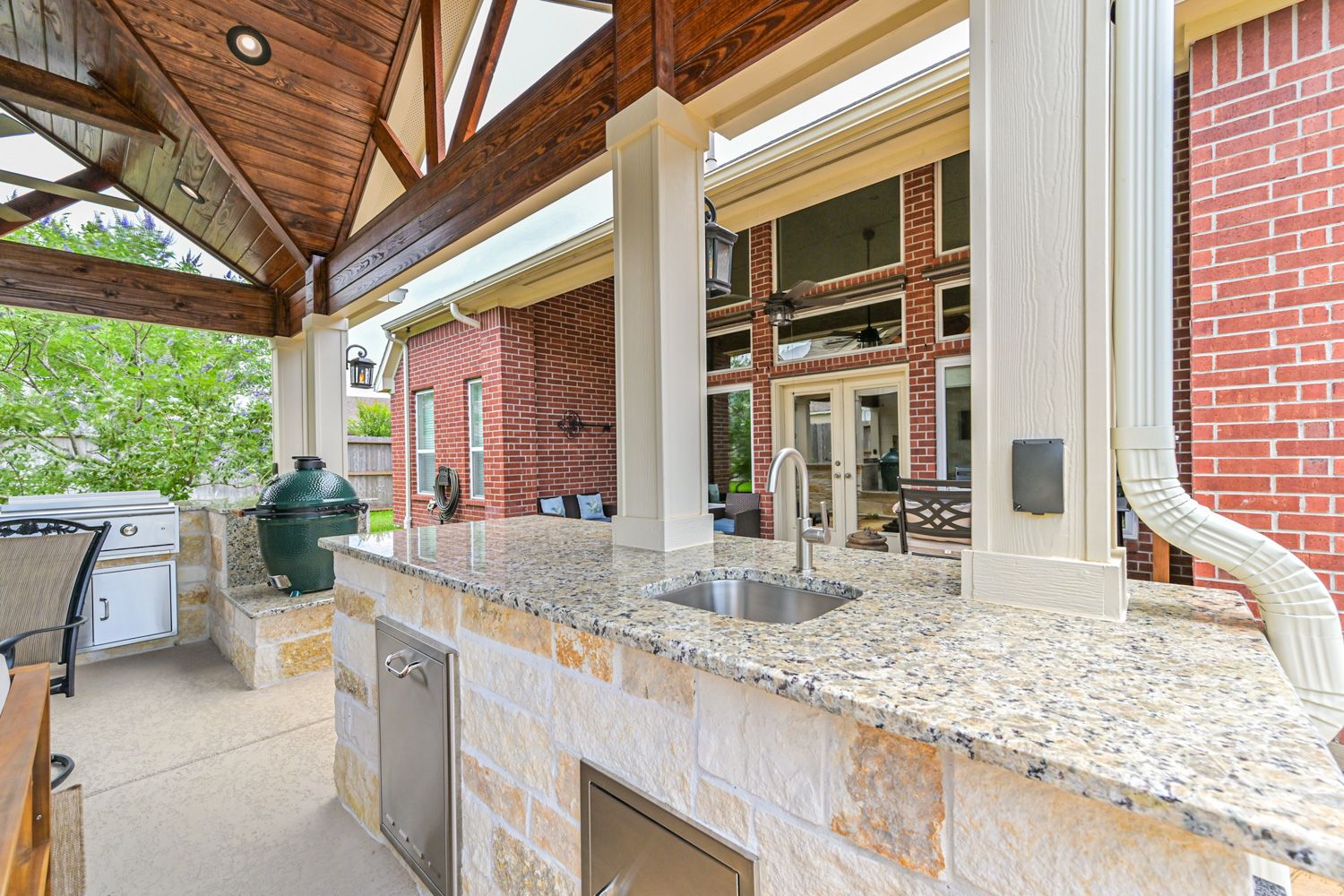
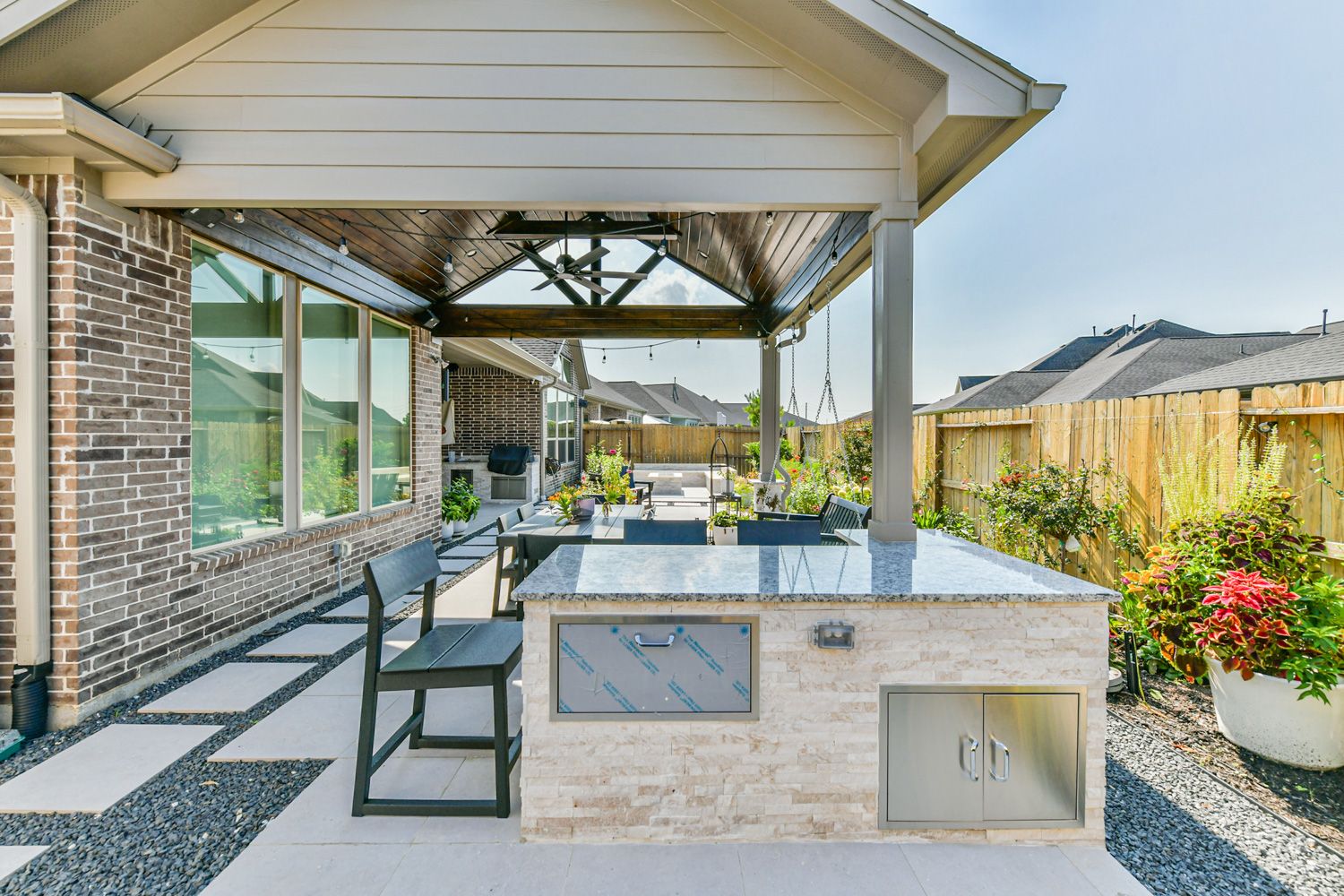
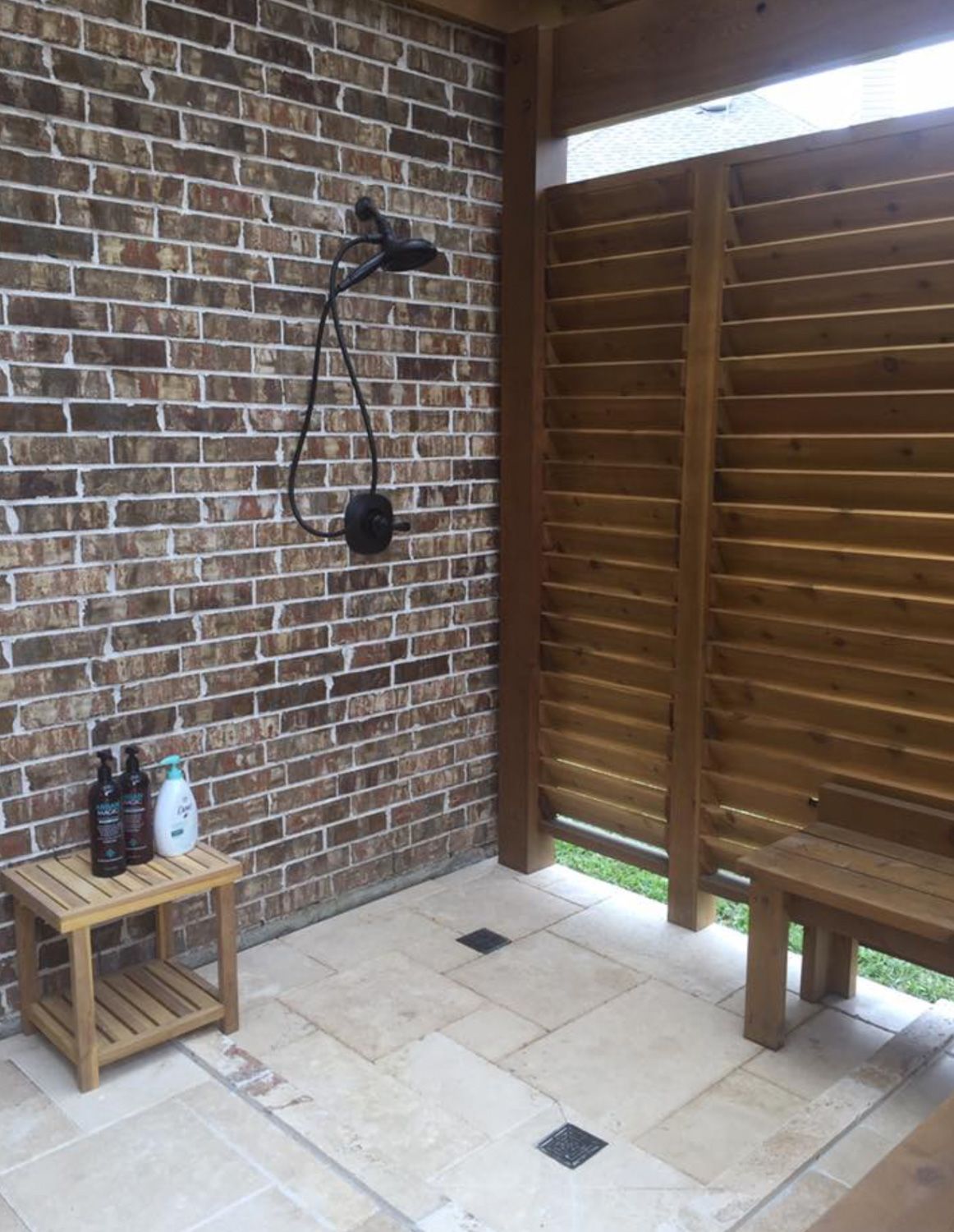
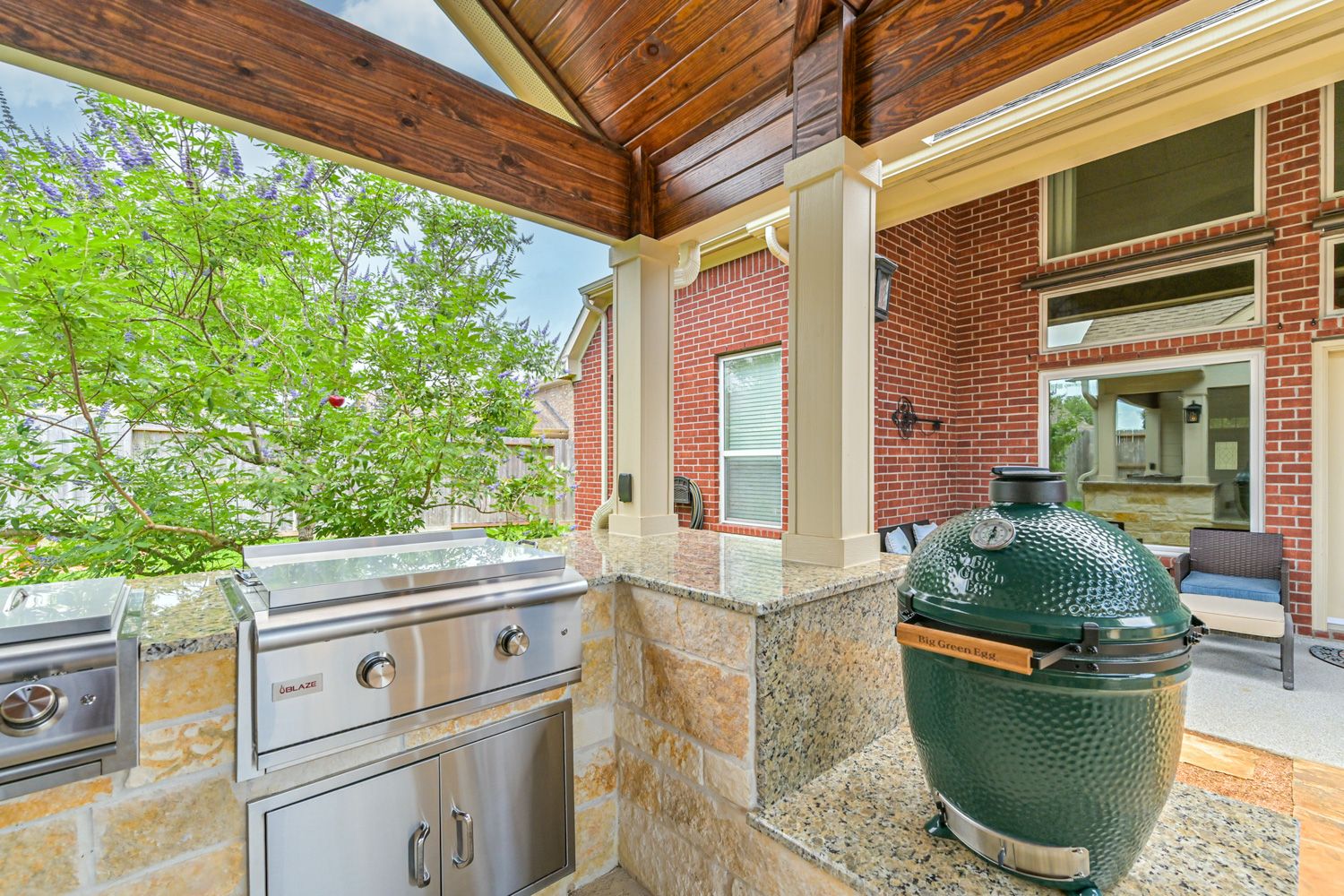
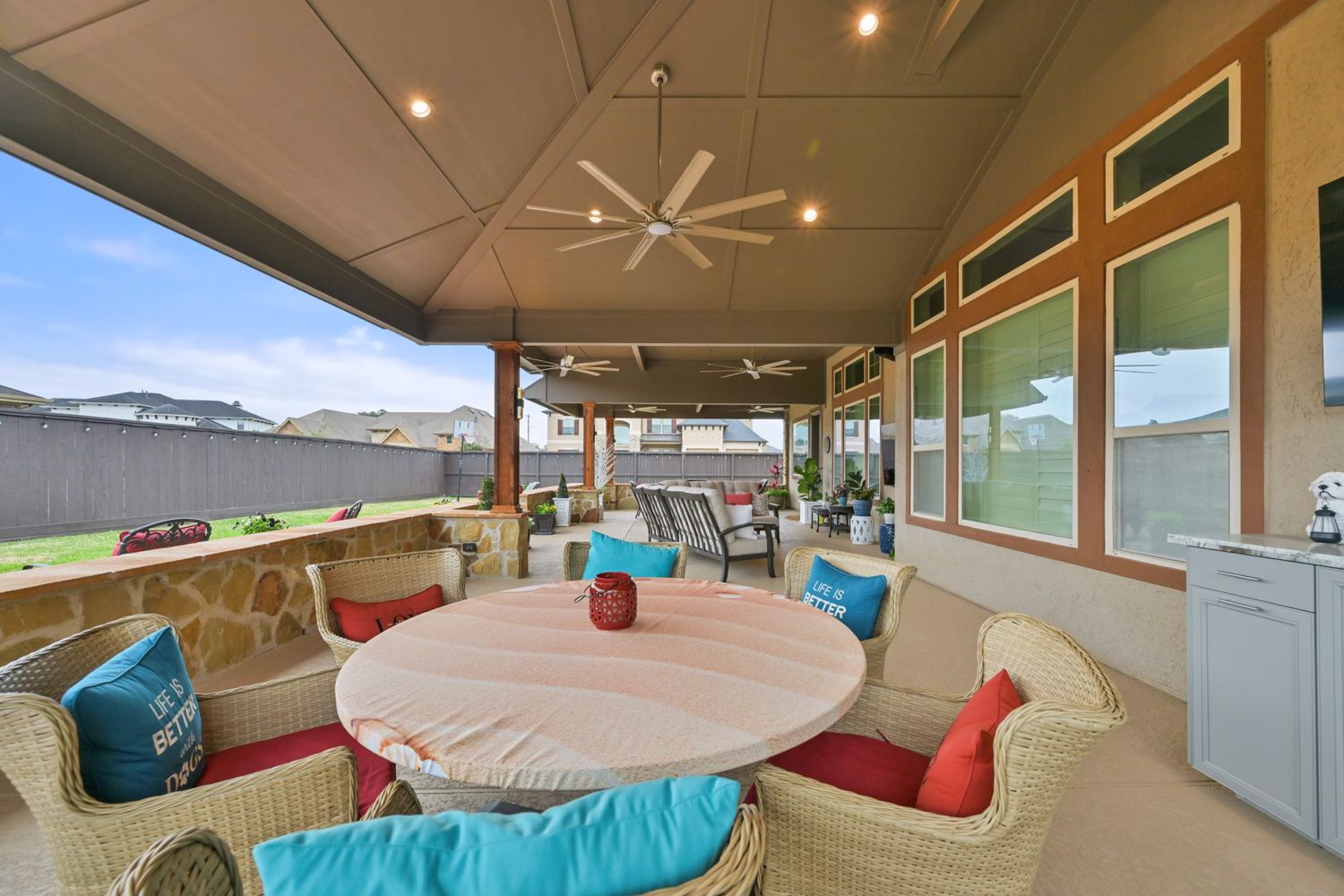
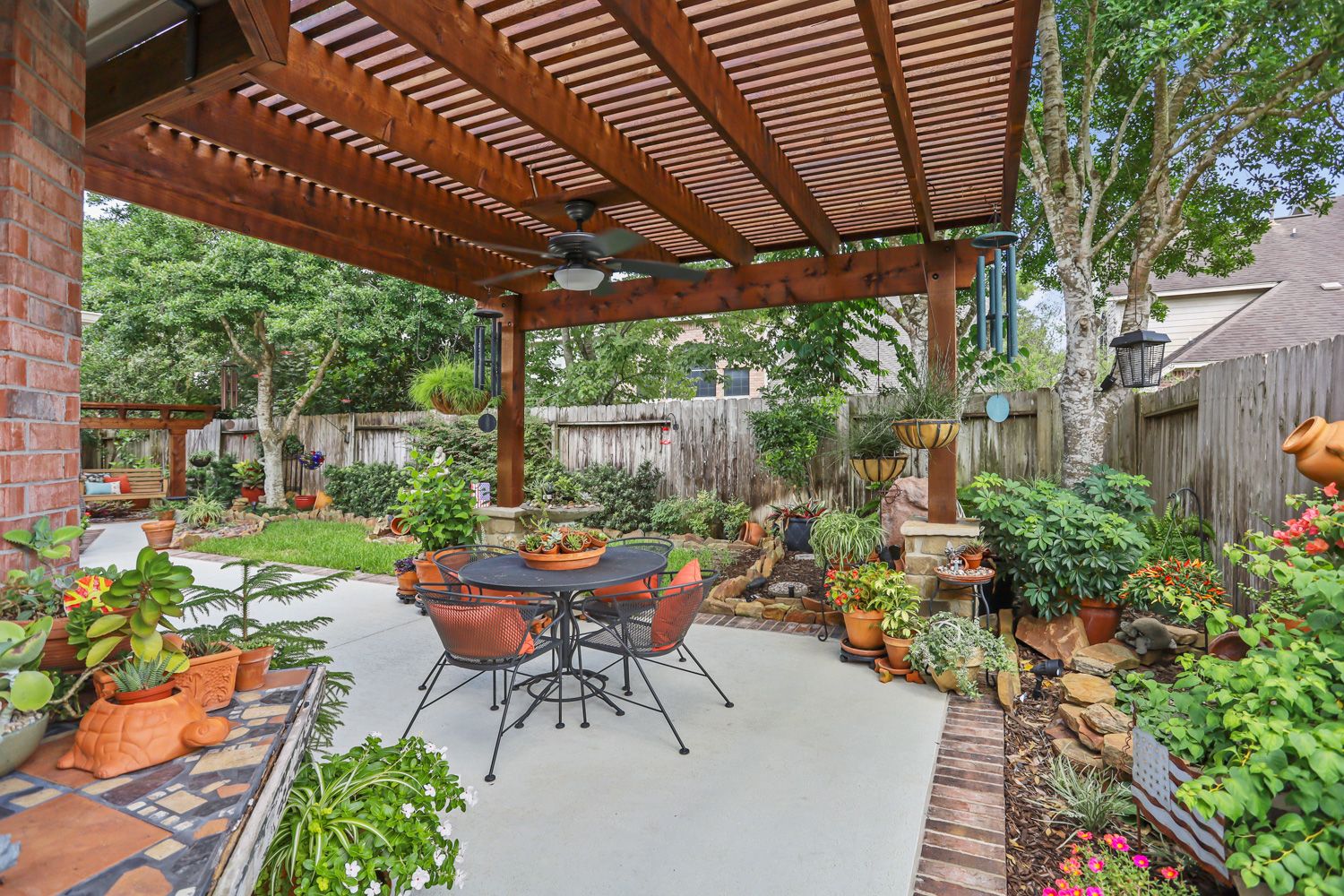
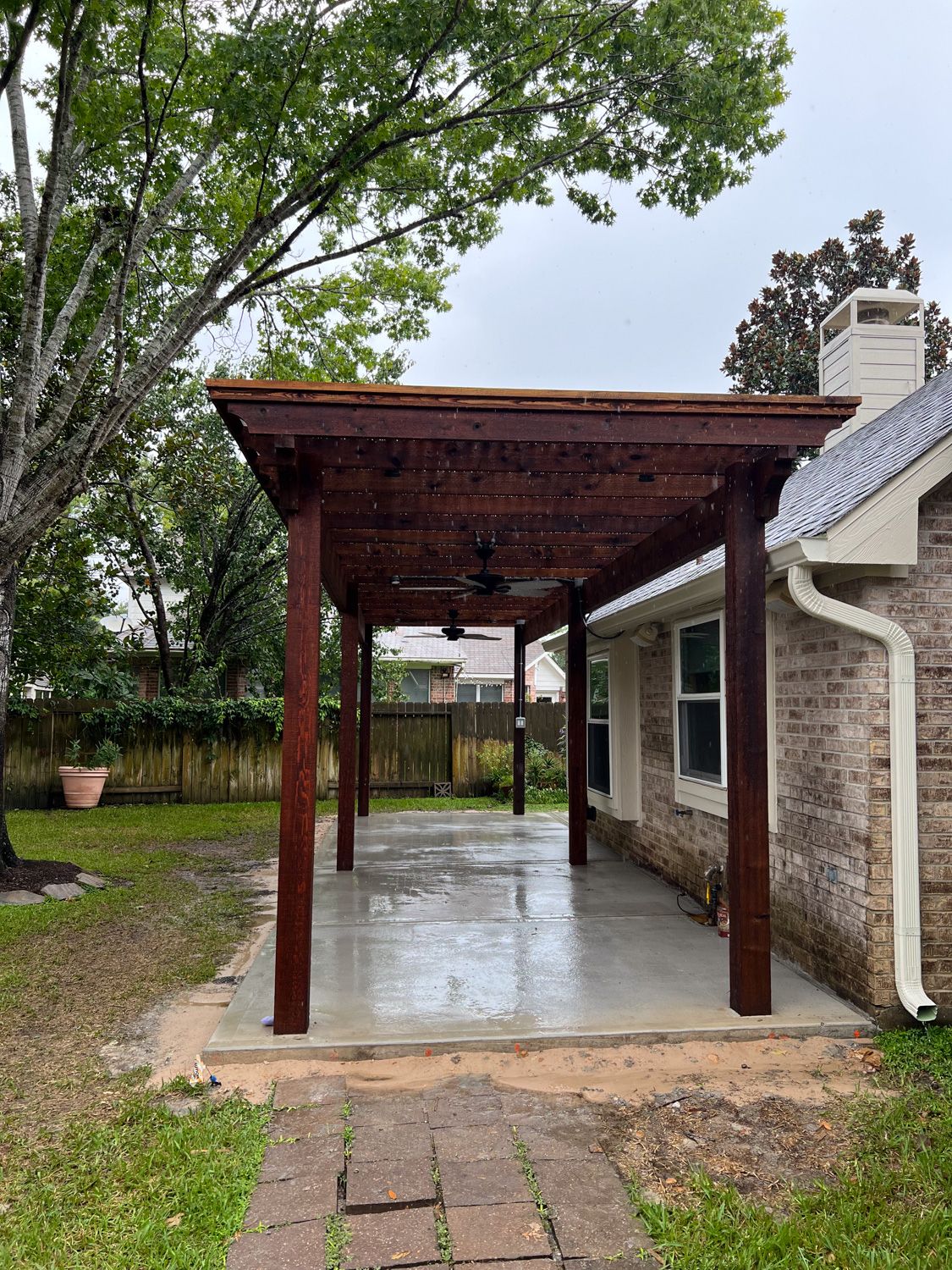
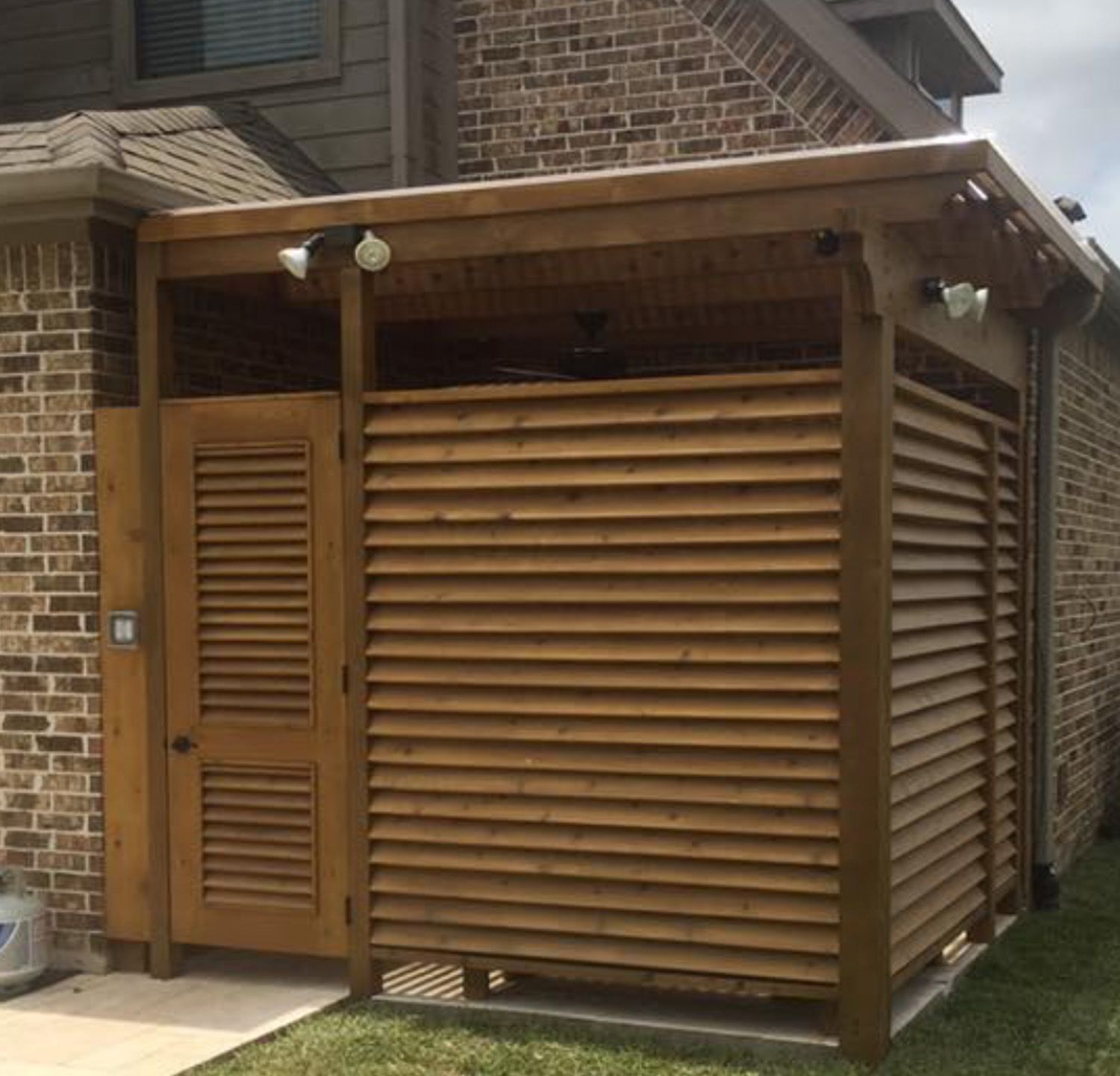
Beautiful, Durable Outdoor Floors

Here’s a high‑level comparison of popular flooring materials used in residential settings.

Flooring Type Primary Advantages Durability Water Resistance Best Use Areas
Hardwood Timeless, high resale value High Low Living rooms, dining rooms
Engineered Wood Wood look + improved moisture resistance Medium Medium Most interior spaces
Laminate Affordable, wood-like appearance Medium Low–Medium Living rooms, bedrooms
Vinyl (LVP/LVT) Waterproof, versatile styles High High Kitchens, baths, basements
Tile (Ceramic / Porcelain) Durable, waterproof Very High Very High Kitchens, bathrooms
Carpet Comfortable, sound absorption Low Low Bedrooms, family rooms
Cork Soft underfoot, eco-friendly Medium Medium Living spaces
Linoleum Biodegradable, durable High Medium Kitchens, living rooms

Cost ranges are approximate and vary by region and quality. Flooring must be able to handle the wear and tear of daily life. Some materials, such as tile and hardwood, are incredibly durable and require minimal maintenance, while others, like carpet and cork, require more care to ensure they last.

Hardwood Flooring

Classic Elegance and Longevity

Hardwood flooring is one of the most respected flooring choices due to its timeless look, durability, and potential to increase home value. Made from solid wood species such as oak, maple, cherry, and walnut, hardwood floors can be sanded and refinished multiple times over decades.

Advantages

Hardwood flooring offers natural warmth, rich texture, and long life. In many resale markets, homes with well‑maintained hardwood can command higher prices compared to alternatives due to buyer preferences for solid wood underfoot. It is also hypoallergenic and easy to clean with regular sweeping and occasional mopping.

Limitations

Because solid hardwood absorbs moisture, it is not ideal in rooms with high humidity or frequent spills, such as bathrooms or basements. The cost tends to be higher than many other types due to material and installation requirements.

Use Cases

Hardwood is best for main living areas, dining rooms, hallways, and bedrooms where moisture is controlled. Combining hardwood with area rugs can improve comfort and preserve the surface.

Engineered Wood

Beauty with Added Stability

Engineered wood flooring provides a real wood surface layer bonded over cross‑layered plywood. This construction enhances dimensional stability and improves resistance to moisture compared to solid hardwood.

Advantages

The top veneer delivers authentic wood aesthetics, while the multi‑layer core reduces movement in response to humidity changes. Engineered wood can be less costly than solid hardwood and is often easier to install.

Limitations

Because the wear layer is thinner, engineered wood cannot be refinished as many times as solid hardwood. High‑quality versions last longer but still sit below the traditional wood in absolute longevity.

Use Cases

This option works well in living areas, bedrooms, and kitchens (with moisture precautions) and is particularly suitable where solid hardwood might warp.

Laminate Flooring

Cost‑Conscious with Visual Versatility

Laminate flooring is a synthetic product that recreates the appearance of wood or stone through high‑definition imaging and wear layers. It’s generally more affordable than real wood and offers reasonable durability in everyday residential use.

Features and Considerations

Laminate’s core is a fiberboard or composite layer with a protective top coating that resists scratches and fading. Laminate can mimic the look of wood, tile, or stone at a lower cost, but it is typically less water resistant than vinyl or tile.

Maintenance

Laminate is easy to clean with standard sweeping and occasional damp mopping. However, it cannot be refinished; once the wear layer is compromised, full replacement is usually required.

Use Cases

Laminate suits living areas, hallways, and bedrooms well, especially when budget constraints or aesthetic preferences lean toward wood looks.

Vinyl Flooring

Waterproof Versatility

Modern vinyl flooring, including luxury vinyl plank (LVP) and luxury vinyl tile (LVT), has become one of the most versatile options due to its waterproof performance, durability, and wide range of styles.

Advantages

Vinyl can be nearly impermeable to water, making it suitable for kitchens, bathrooms, basements, and laundry rooms. It is available in sheet form, tiles, or planks, and can convincingly mimic wood, stone, or ceramic surfaces.

Durability and Comfort

Its wear layer helps resist scratches, stains, and dents. Luxury vinyl also tends to be softer underfoot than tile or wood, contributing to comfort in high‑traffic spaces.

Price and Installation

Vinyl tends to be budget‑friendly and, in many cases, DIY‑friendly. Quality levels influence how long the floor lasts before needing replacement.

Tile Flooring

Waterproof and Durable

Tile flooring, whether ceramic or porcelain, is one of the most durable and water‑resistant options available. Tiles are fired clay or porcelain bodies with glazes that resist wear, moisture, and staining.

Strengths

Tile is exceptionally hard and long‑lasting, retaining its appearance for decades with minimal maintenance. Creative design options allow for a wide variety of colors, patterns, and finishes.

Limitations

Tiles can feel cold and hard underfoot and often require professional installation. Grout lines may need periodic sealing to prevent staining in wet areas.

Application Spaces

Tiles are ideal for bathrooms, kitchens, mudrooms, laundry rooms, and entryways — spaces where moisture and spills are common.

Carpet

Comfort and Acoustics

Carpet remains a popular choice in spaces where comfort, warmth, and sound absorption are priorities, such as bedrooms and family rooms. Its fibrous surface makes it one of the softest underfoot options.

Pros and Cons

Carpet adds softness and can reduce noise transmission, but it also tends to trap dust and allergens and may require more frequent cleaning. It is not suitable for moisture‑prone areas.

Use Cases

Bedrooms, playrooms, and areas where people spend extended periods sitting on the floor benefit most from carpet.

Natural and Specialty Options

Cork

Cork flooring is derived from the bark of cork oak trees. It offers natural insulation, shock absorption, and a unique texture. It can be eco‑friendly and reasonably durable, but maintenance and susceptibility to moisture should be considered.

Linoleum

Linoleum is a biodegradable flooring made from linseed oil, cork dust, and natural materials. It has enduring color vibrancy and can last decades if maintained properly, though it is less common than vinyl today.

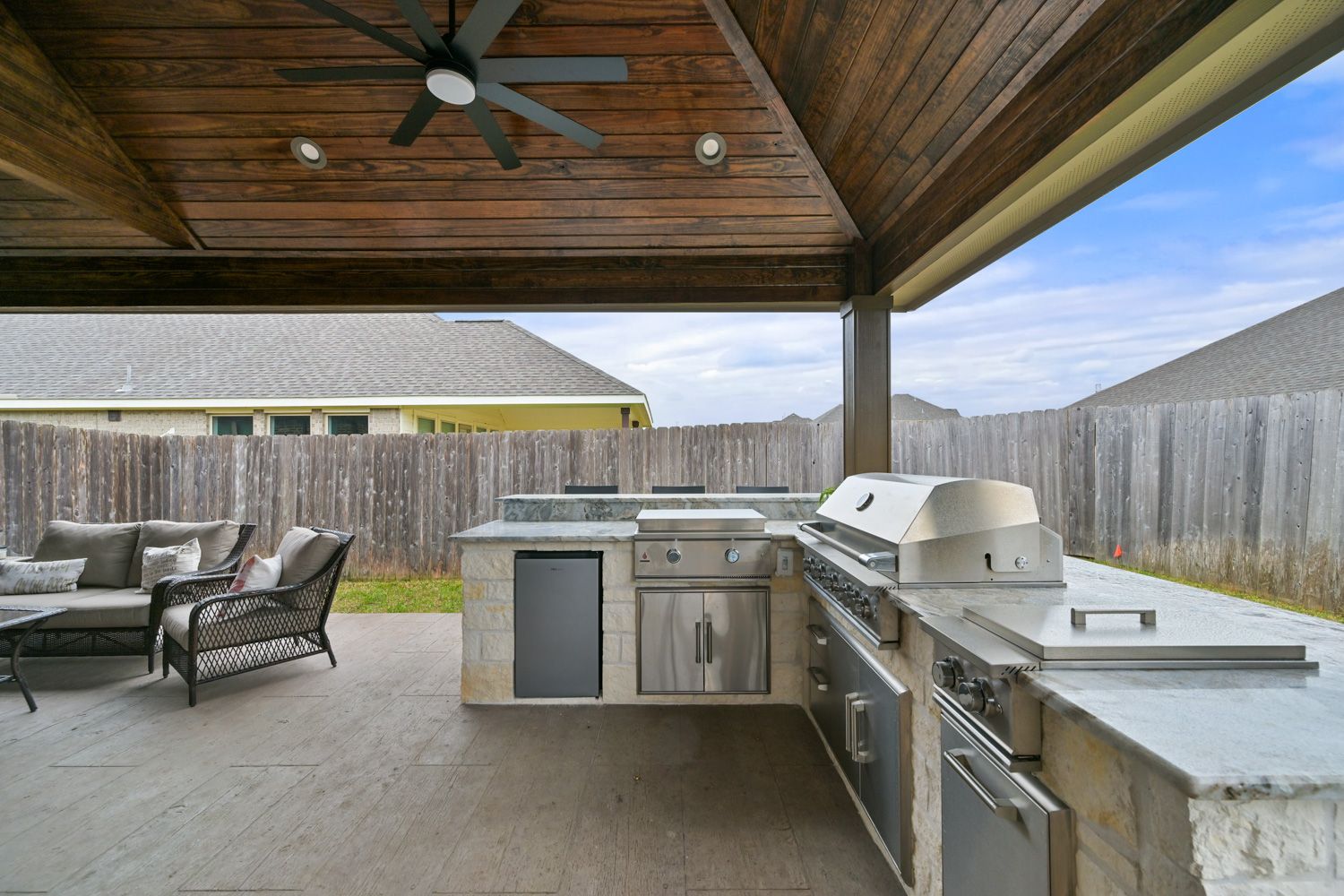
beautiful outdoor flooring options in houston

Key Factors to Consider When Choosing Flooring

Each room in your home serves a unique function, and the type of flooring you choose should align with that function. For instance, high‑traffic areas like hallways and kitchens need more durable flooring, while bedrooms benefit from softer, more comfortable surfaces.

Considerations:

Moisture Exposure: Bathrooms, kitchens, and basements have high humidity and spill risks, requiring water-resistant flooring options such as tile, vinyl, or engineered wood.

Foot Traffic: High‑traffic areas, such as living rooms, hallways, and entryways, require flooring that can withstand frequent use without showing wear. Hardwood, tile, and vinyl are often top choices here.

Comfort: Bedrooms and family rooms benefit from comfortable flooring that adds warmth and coziness. Carpet, cork, and even area rugs over hardwood or tile can be excellent options for these areas.

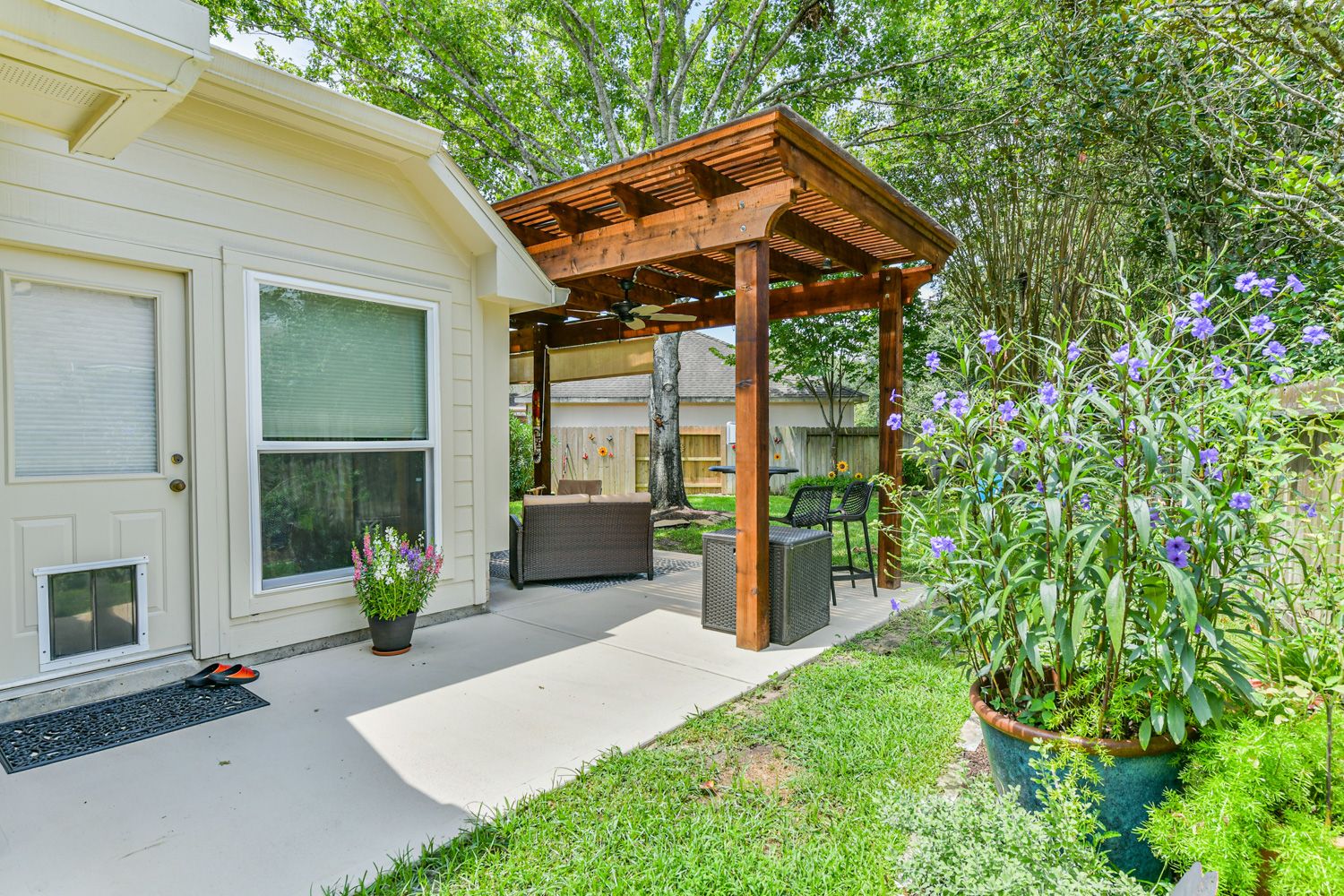
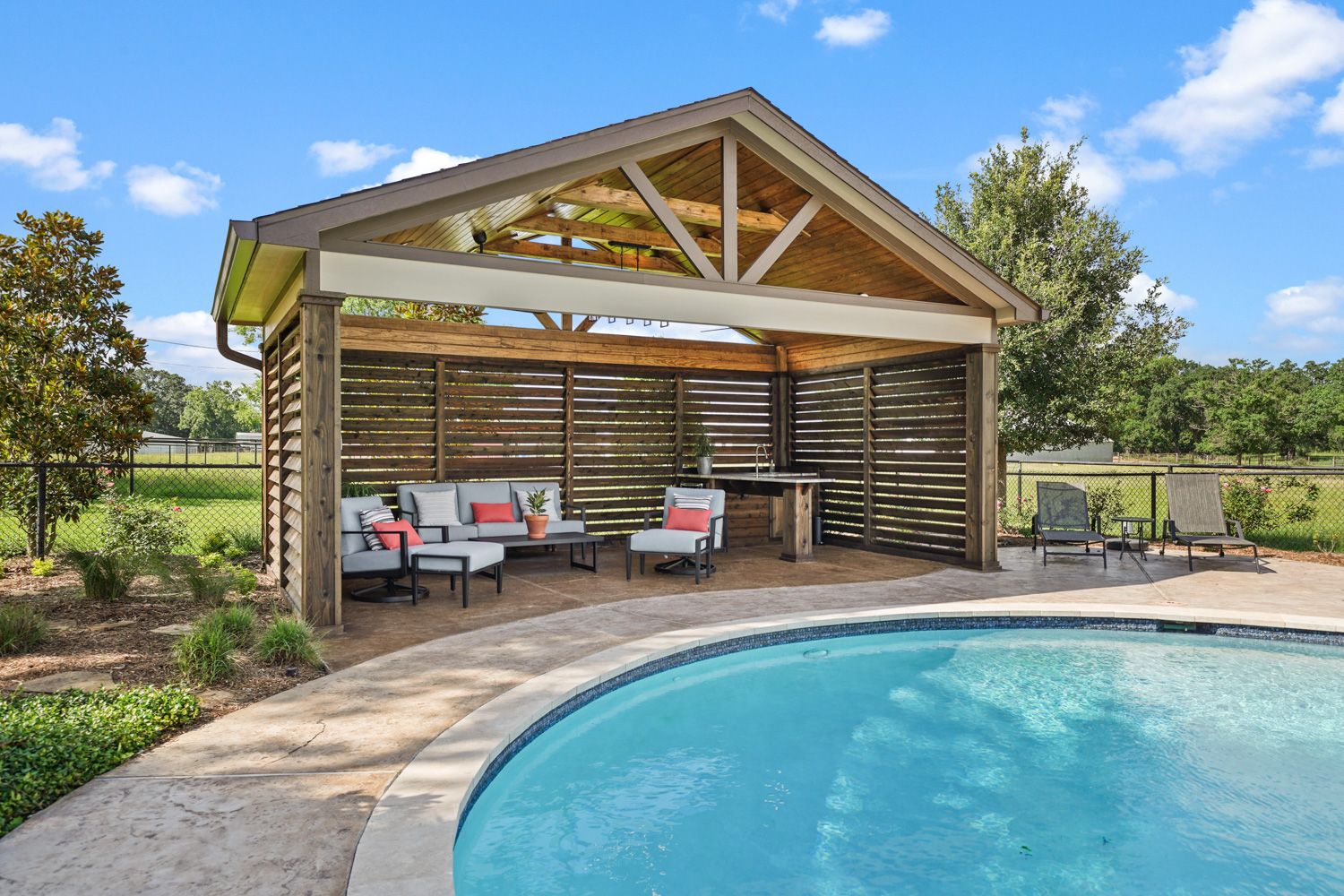
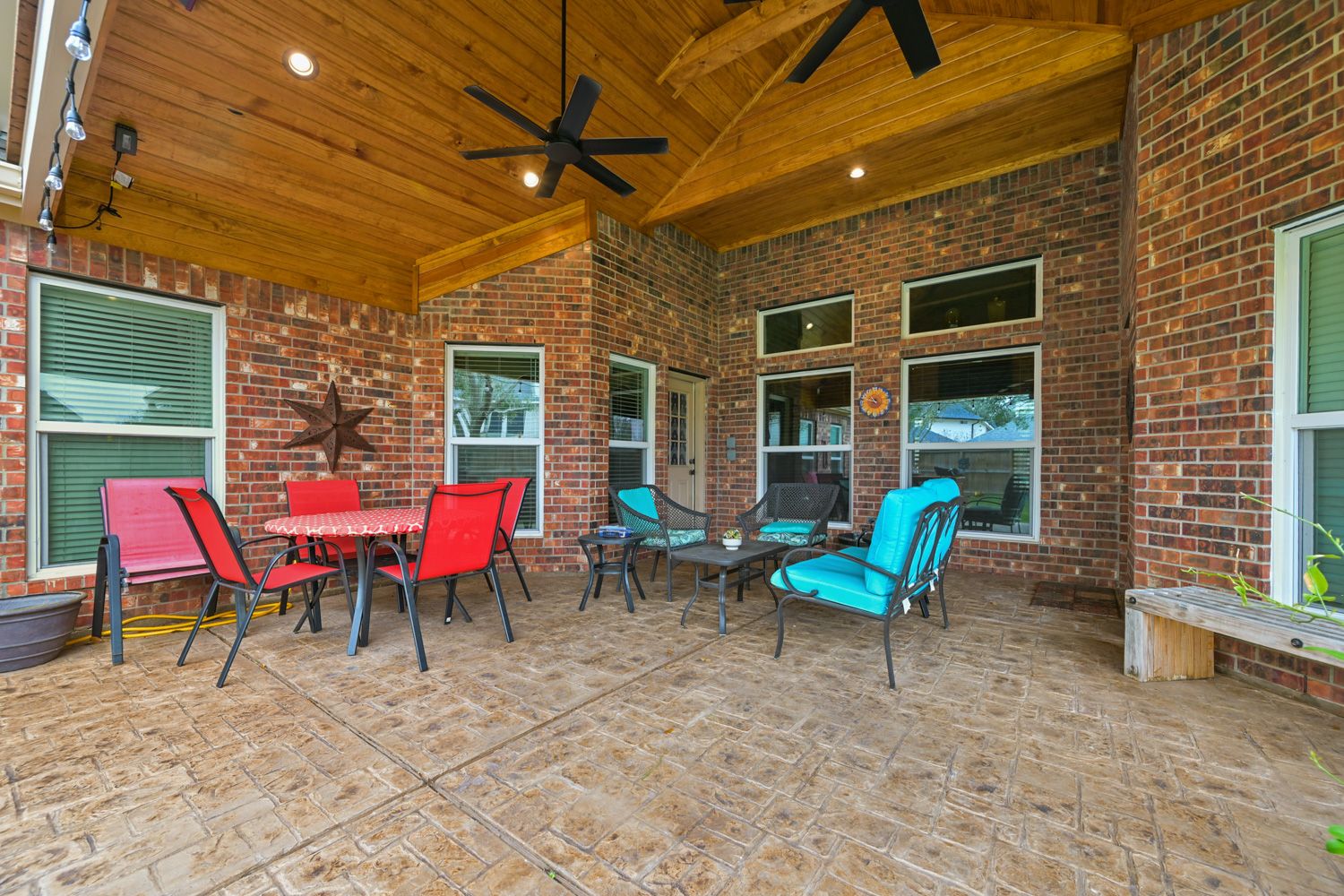
beautiful outdoor flooring options in houston

Choose What’s Right For You

Choosing the right flooring for your home is a decision that blends practicality with aesthetic appeal. Whether you're remodeling an existing space or designing from scratch, understanding the specific benefits and considerations of each flooring type helps ensure that you make the best decision for your lifestyle. From the timeless elegance of hardwood and tile to the budget‑friendly versatility of laminate and vinyl, there’s a flooring solution for every need.

By weighing factors such as moisture resistance, durability, comfort, and sustainability, you can create beautiful, functional spaces that suit your design vision and stand the test of time. Whether you prioritize eco‑friendly options like cork and bamboo or the luxurious durability of hardwood and tile, the possibilities are endless when it comes to flooring.

When choosing flooring, also consider the long‑term investment: floors should not only enhance the look and functionality of your home but should also endure daily use while being easy to maintain. With careful selection, you can create a home that reflects your personality and lasts for generations.

Beauty Backed By Our Warranties

We stand behind our work with a product-dependent 2-year warranty, covering product defects for lasting enjoyment, though it excludes damage from natural disasters or general wear and tear.